
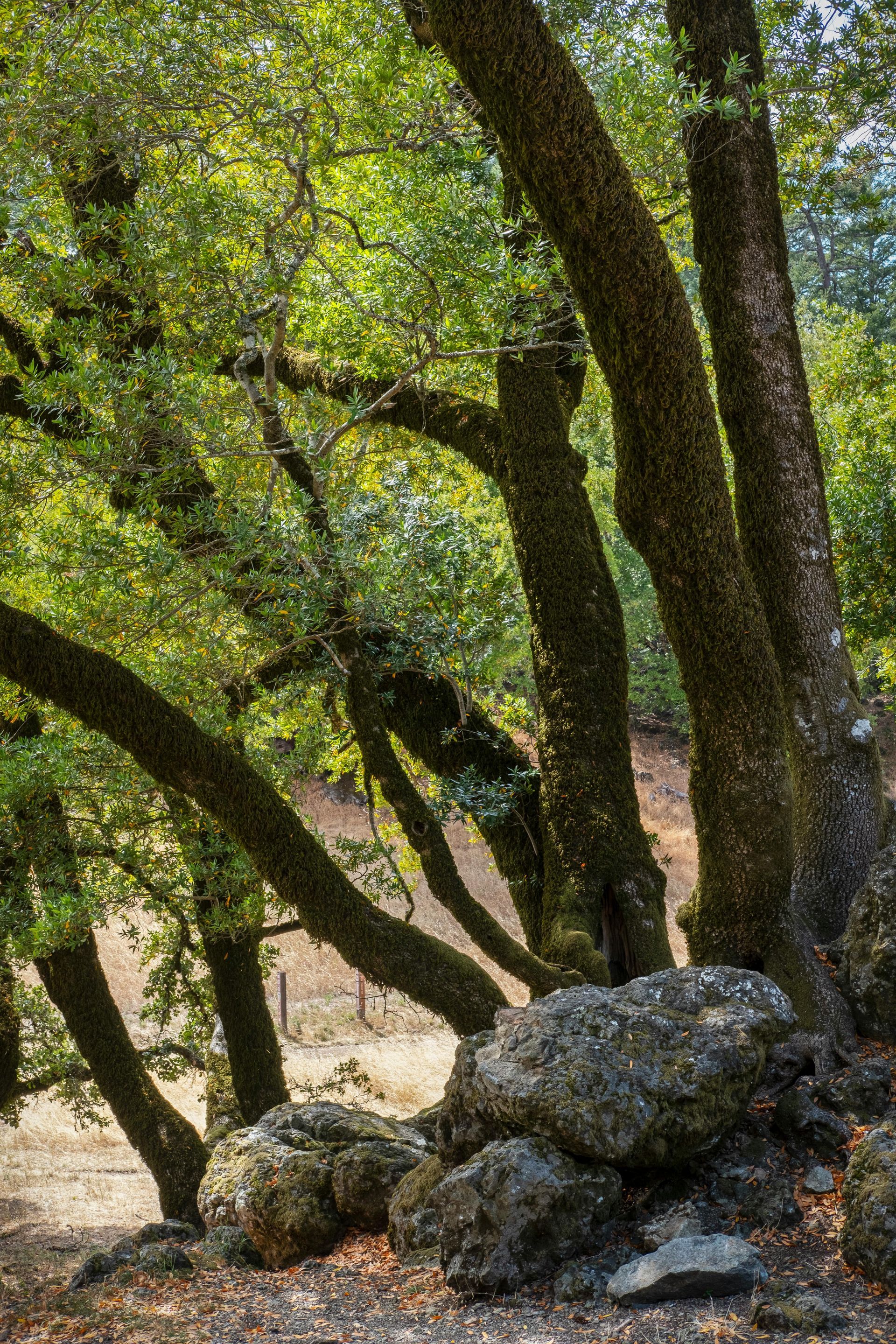
Tree work seems like one of the simpler parts of land clearing. A tree is dead, damaged, in the way, crowding a fence line, blocking access, or sitting exactly where something needs to be built. So you cut it, trim it, haul it off, and move on to the next task. Except in Texas. Especially when oaks are involved, timing matters. A lot. Oak wilt is one of those property problems that doesn't look dramatic at first because the risky moment isn't loud like the tree falling or the roar of the chainsaw. It’s not even the cut itself, but what that fresh cut can invite. The Texas A&M Forest Service warns landowners to avoid pruning or wounding oak trees from February through June because that is when the insects that spread oak wilt are especially active. Fresh wounds on oak trees attract sap-feeding beetles, which carry the oak wilt fungus from infected trees to healthy ones. No matter the season, the guideline is clear: oak wounds should be painted immediately. That makes oak work fundamentally different from ordinary brush cleanup. It’s not just a matter of, "Can we cut this?" but rather, "Should we cut this right now ?" The Problem Is the Open Wound Oak wilt spreads in more than one way, but the part that matters most for land clearing is pretty simple: fresh wounds create an opening. When an oak is pruned, scraped, broken, or cut, that exposed tissue becomes an immediate entry point. The beetles are naturally attracted to the scent of fresh sap . If they have picked up fungal spores from a nearby infected tree, they can deposit those spores directly onto a healthy oak. The Texas Oak Wilt Partnership notes that all pruning cuts and other wounds on oaks should be painted immediately, regardless of the season, and that wounding oaks should be strictly avoided from February 1 through June 30. That is the biological reality many property don't consider, thinking about tree work as a purely physical job. Remove the limb. Clear the cedar. Open the fence line. Get the equipment through. Make the land usable. But biologically, the tree doesn’t care about what your project goals were. A wound is a wound, and once it exists, the riskiest part of the job might not be the heavy clearing you finished, but the damage you left behind. It’s Not Just Your Tree Oak wilt is frustrating because it turns one property decision into a neighborhood problem. That’s what makes it different from a normal tree failure. If a dead tree falls on your fence, that’s bad. If a tree is blocking your driveway, that’s annoying. But oak wilt can move through interconnected root systems and spread rapidly across property lines, especially in areas with dense clusters of live oaks. A careless cut on one lot can easily become a problem that shows up later next door. That delay is part of what makes it feel so random. Someone clears land in March, and everything looks fine. Then months later, the trees begin to decline. Leaves get discolored. A tree that looked perfectly healthy starts failing. It might be on your property, or maybe it’s part of a larger stand down the road. It may feel like the trees just suddenly got sick, but the setup happened much earlier, during a routine cut, trim, or scrape that seemed completely harmless at the time. Preventing oak wilt is less about panic and more about discipline. Don't cut oaks during the high-risk season . If work has to happen, paint wounds immediately. Be careful with equipment around trunks and roots, and be cautious about moving potentially infected wood debris. Land Clearing Is Still Necessary Obviously, this doesn’t mean nobody should touch a tree for five months out of the year. Land still has to be managed. Storm damage still has to be cleaned up. Dangerous limbs still have to come down, and access roads still have to be opened. But oak wilt changes the calculation. It means the timing, the method, and the cleanup matter just as much as the clearing itself. Because in Texas, cutting trees is also a timing decision. And if oaks are involved, sometimes the smartest cut is the one you wait to make.
Texas brush clearing is becoming a wildfire safety issue. Learn how ladder fuels, defensible space, and 2026 mitigation grants can help protect rural properties.

Clearing even one acre can dramatically change how water moves. Learn how land clearing increases runoff, overwhelms drainage, and leads to unexpected flooding.
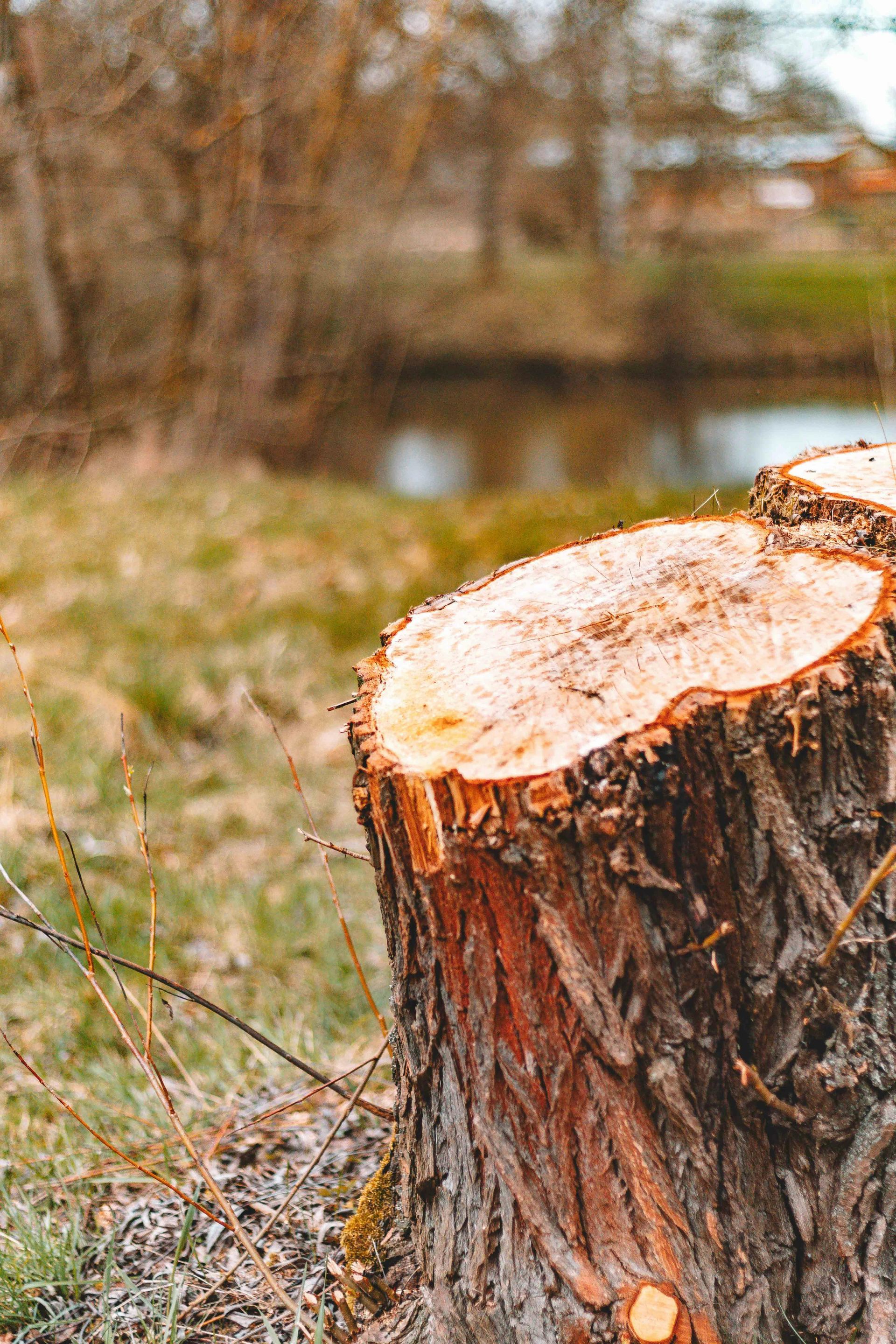
Learn the average cost of stump removal in Central Texas, including pricing by size, factors that affect cost, and what homeowners can expect when budgeting for stump grinding.
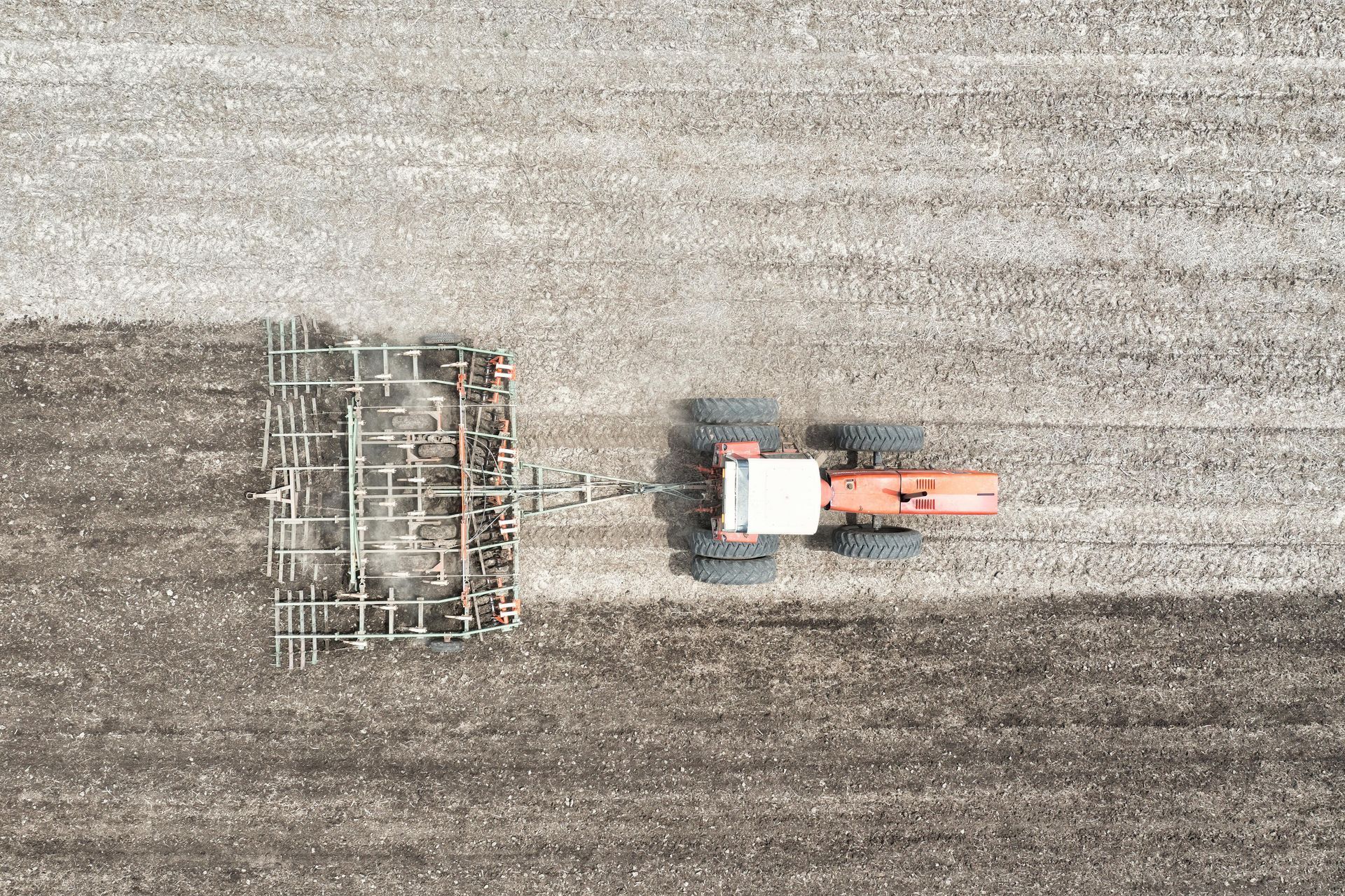
Learn the essential steps of site prep before building, from land clearing and grading to drainage and soil compaction, to ensure a smooth and successful construction project.
Track mulching is an eco-friendly land clearing method that improves soil health, prevents erosion, and eliminates debris hauling while efficiently clearing brush and trees.
